

Motion graphics are fundamentally altering the ways in which businesses, brands and creators connect with their target audiences through the use of motion graphics as a means of creating and designing motion images. With the advancement of technology and new ways to consume digital content being developed, motion graphics will become an important component of many different areas, including marketing, entertainment, social media and user experience, over the next few years. By 2026, it’s predicted that the use of motion graphics will be much more interactive, engaging and intelligent, mainly due to advancements in artificial intelligence, 3-D technology and changing consumer needs.
Designers in a progressive creative world must keep up with emerging styles and techniques to stay competitive. This allows them to create new, interesting, and memorable motion graphics-based experiences for their audience.
This article will reveal the most relevant motion graphic-based trends that all designers will need to incorporate into their own creative work by 2026.
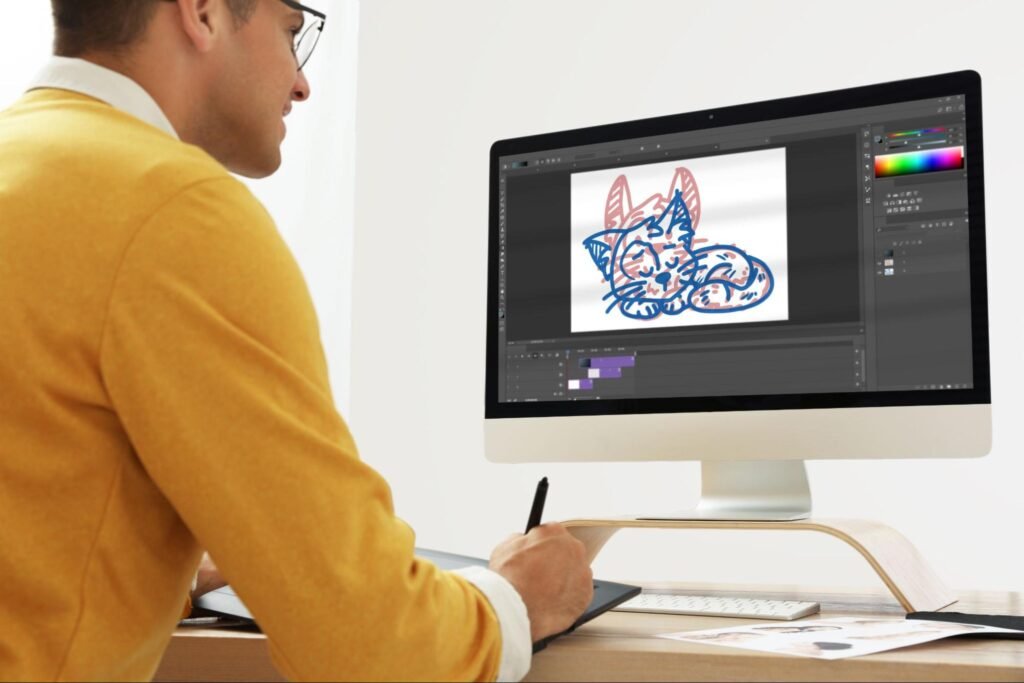
Why Motion Graphics Matter More Than Ever
Motion graphics incorporate design, animation, writing, and storytelling to communicate information or stories effectively; they provide an avenue for social interaction by creating movement that expresses emotion to visually engage audiences so that their interpretation of what they see is easier than if they had viewed the same thing as a still image.
Motion graphics offer a number of benefits including but not limited to: increased audience participation and interaction; improved brand identity and recognition; more effective storytelling capabilities; simplification of complex datasets; enhanced social media results; and an overall improved user experience; Therefore, businesses/SVOSs (Social Value Organizations) have begun investing in motion design as part of their overall branding/marketing plan.
With the world changing its communication methods more and more through online and mobile means via video, the ability to produce and implement motion graphics will soon be an essential skill for all current and future designers.
1. AI-Powered Motion Design
Artificial Intelligence is revolutionizing the creative industry, and motion graphics are no exception. In 2026, AI-powered tools are helping designers automate repetitive tasks, generate creative ideas, and speed up animation workflows.
How AI Is Changing Motion Graphics
Automated Keyframe Creation, Object Tracking, AI Assisted Animation, Background Removal and Enhancement, Automated Video Editing, and Personalized Content Creation – instead of replacing the designer as creator, AI will serve as an augmentation for the designer by allowing the designer to spend more time on storytelling and creative direction.
2. Advanced 3D Motion Graphics
Within the world of visual content, three-dimensional design continues to be the leader.
Due to this popularity, many brands are now utilizing 3D motion graphics for their product presentations, advertising (both online and off), and social media platforms.
Some benefits of using 3D motion design are as follows: greater depth of visual content, realistic representation of products, improved storytelling, a more engaged audience, and a better perception of your brand by the audience.
The market for e-commerce and tech-based businesses has increased in popularity with the continuous growth of 3D animation as an option for creating modern marketing campaigns.
3. Hyper-Realistic Visual Effects
As computer processing power increases and rendering technology evolves, hyper-realistic animation is quickly becoming available to everyone. Designers are making images now that blend the definition of ‘reality’ with ‘digital art.’
The common places where hyper-realistic images can be found include:
- Product advertising;
- Film trailers;
- Automotive advertising;
- Architectural visualization;
- Advertising luxury brands.
These applications enable brands to promote products and service offerings with a new level of detail and visual fidelity.
4. Kinetic Typography Evolution
Kinetic typography remains one of the most effective ways to communicate messages through motion. In 2026, designers are moving beyond simple text animations and creating dynamic typography that interacts with visuals, sound, and user behavior.
Why Kinetic Typography Works
- Captures attention quickly
- Improves message retention
- Enhances storytelling
- Strengthens brand identity
- Increases social media engagement
Animated typography is especially popular in advertisements, explainer videos, and short-form content.
5. Immersive AR and VR Experiences
Augmented Reality (AR) and Virtual Reality (VR) are expanding beyond gaming and becoming valuable tools for businesses and marketers. Motion graphics play a crucial role in building immersive experiences within these environments.
Industries Using AR and VR Motion Design
- Retail
- Education
- Healthcare
- Real estate
- Entertainment
- Tourism
Designers who have expertise in creating immersive motion graphics will benefit greatly from their skills due to the increase in usage of augmented reality (AR) and virtual reality (VR).
6. Mixed Media Animation
Mixed Media Animation is an animation style that is created with several different styles of visual elements such as illustrated images, photographic images, video clips, drawings (hand-drawn images), and 3D images. This style allows companies to produce creative and original visual identity for their businesses.
The Benefits of Using Mixed Media Animation:
- They are visually distinct.
- They provide greater opportunities for creativity.
- They provide improved narrative storytelling.
- They connect with the viewer on a deeper level.
The use of mixed media animation is becoming more common by companies as a means of creating a unique identity in a saturated marketplace.
7. Minimalist Motion Graphics
Minimalist designs are already very valuable on their own, but right now they are also extremely sought after as our society continues to change due to more advanced technology and animation techniques making them a more viable option than ever before. Many designers are attempting to create highly functional and easy to use motion experiences through the use of minimalistic layouts, subtle animations and intentional use of motion for visually pleasing results for the user.
Here are some major aspects of motion design that exemplify a minimalist approach:
- Simple transitions
- Limited colour palettes
- Smooth transitions
- Clear messages
- User-centric design
Minimalist designs provide these types of visual experiences to consumers in order to maintain their focus on the intended messages and not be distracted by anything else.
8. Vertical Video Motion Graphics
The usage of mobile devices plays an important role in how we produce our content today. Specifically, the rise of short-form video applications has led to a large number of vertical video format requests.
Here are some of the best practices for creating Vertical Motion Graphics:
- Create content with the mobile user experience first
- Use larger typefaces
- Focus on a quick, engaging story
- Build for silent viewing
- Use a compelling hook at the start
When you create high-quality vertical motion graphics, digital marketers will keep coming back for more!
9. Data Visualization Animation
Many organizations collect a lot of data, but finding the right way to present that data so that it is clear can be difficult. Animated data visualization is a powerful new tool for helping you achieve this.
The following are examples of animated data visualization applications:
- Business reports
- Marketing presentations
- Educational content
- Financial analysis
- Healthcare communications
Motion graphics help to make statistics and other types of information simple to understand and presented in a way that is interesting to your audience.
10. Interactive Motion Graphics
As users increasingly expect to have interactive access to their digital experiences, providing users with a way to interact directly with animations is one method to encourage users to engage with an animated design. Here are some ways that users may interact with animated designs:
- Interactive websites/video games
- Product configurators
- Education tools/resources
- Mobile applications
- Exhibits displayed via internet technologies
The trend towards creating animated designs for use in digital experiences indicates that designers are using the principles of usability and motion design to create new products that are visually pleasing and functional in the digital domain.
Essential Skills Designers Need in 2026
In the ever-evolving world of motion graphics design, the following seven areas will help you succeed:
- Storytelling through motion graphics
- Animated visuals in both 2D and 3D
- VFX
- UX design
- AI
- Video editing
- Problem solving creatively
Designers must continually update their skills and explore recent developments in technology due to the fact that trends and technology quickly become obsolete.
The Future of Motion Graphics
With the constant evolution of technology and creative ways to express oneself through motion graphics, the future of motion graphics will be a combination of both technology and creativity. As artificial intelligence (AI) continues to advance, immersive media becomes more prevalent, and interactive experiences become commonplace; there will be new creative opportunities available for designers creating motion graphics.
As motion graphics become more widely used, businesses will continue to employ professionals who can merge technical skills and creative abilities to create visually appealing experiences within all areas of digital media.
2026 Will Bring Innovation, Immediate Response And Immersive Experiences
The next decade will bring motion graphics into the world of digital storytelling in new and innovative ways by creating current and interactive stories through new technologies. Some of these new technologies will include, but are in no way limited to: Animation generated by AI, 3D graphics in HD (High Definition), Typography Animation, Mixed Media (i.e., Mixed Media Collage), Augmented Reality And Virtual Reality Experiences, and Interactive Media. To keep up with the continuing change of the Industry’s evolving trends, designers create motion graphics will be implementing new techniques in order to provide their audiences with unique and compelling visual experiences And Stay on the Cutting Edge of Motion Graphics In the Future. Thus, designers who want create motion graphics that will be successful in the future must take advantage of every opportunity to improve their technical skills to make them better prepared for a Professional Career as the world continues to use more technology-based methods of Communication.